The freedom of petition: Learn about your right and how to use it
27 juin 2023
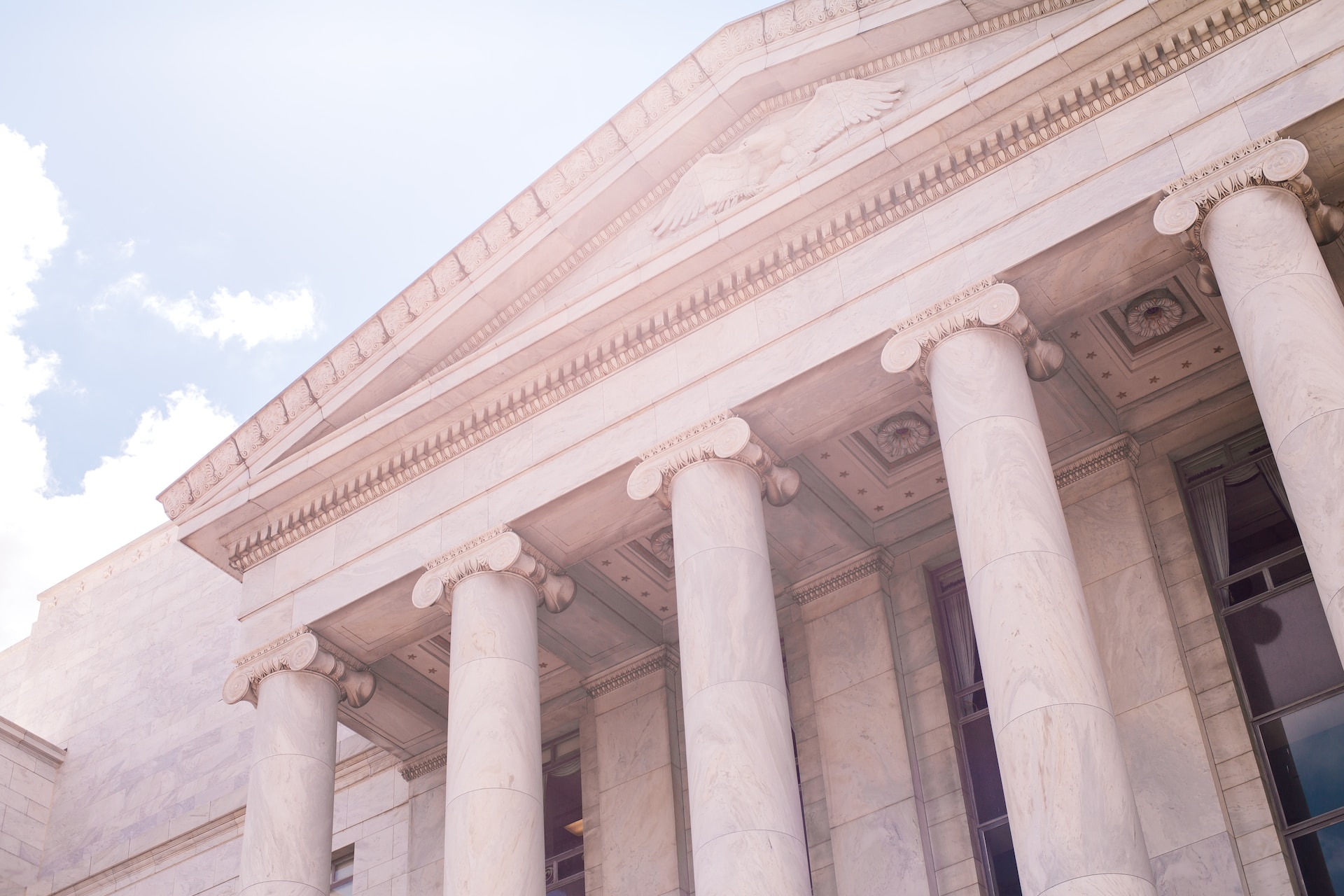
The freedom of petition — or right to petition — is a cornerstone of democracy. It empowers citizens to use our freedom of speech to raise our concerns to the government. By exercising this right, we can actively participate in democracy by demanding action from representatives and legislators who work for the people.
This is a core right in the United States and around the world, established for centuries. Petitioning the government can take many forms and approaches. In this guide, learn about what the right to petition entails, its history, and how to use it as a tool to create real social and political change.
The history of the freedom of petition
Petitioning the government was first cemented as a right in England centuries ago, and has since expanded in its scope and global adoption. Today, petitions are used to challenge laws, regulations, and policies at local, state, and federal levels, reflecting the dynamic and evolving nature of democratic societies.
The Magna Carta
The Magna Carta, signed in 1215 by King John of England, is one of the first known documents to establish the right to petition. This historic charter granted certain rights and liberties to the English people, including that barons could ask the king for relief from imposed laws or conditions impacting them. These foundations paved the way for the development of parliamentary democracy and constitutional law.
The English Bill of Rights
In 1689, the English Bill of Rights reaffirmed the right to petition, giving citizens the right to address their grievances to the Crown without fear of retribution. This principle embedded in early English society was an essential building block for modern democracy. It emphasized the importance of open communication and cooperation between citizens and their government.
Petition Clause of the First Amendment
The American colonists brought over this fundamental right from England, which became official when the Bill of Rights was ratified. The right to petition is protected under the First Amendment of the U.S. Constitution. The original text states:
Congress shall make no law respecting an establishment of religion, or prohibiting the free exercise thereof; or abridging the freedom of speech, or of the press; or the right of the people peaceably to assemble, and to petition the Government for a redress of grievances.
This means that citizens have the right to peacefully ask the government to “redress grievances” — i.e. fix problems or injustices affecting them or their community. The First Amendment prohibits government interference with petitioning activities. Those include:
- Writing or calling local, state, or national legislators to present your issue and request action
- Speaking at any meeting of public officials, including school boards, City Council, and state or national representatives, to voice concerns
- Starting a petition addressing government officials to respond to your issue, or to gain support for a ballot initiative to put on an election ballot
- Signing a petition in support of government reform
- Organizing a protest to express dissent against unfair laws, policies, or actions
While petitioning the government doesn’t always result in achieving the intended outcome, at the very least it raises awareness and can be one step towards reaching your ultimate goal.

A Supreme Court decision reinforces rights
In 1939, Hague v. Committee for Industrial Organization was a landmark U.S. Supreme Court decision that fortified First Amendment protections in traditional public spaces, like streets and parks. Ultimately, it expanded the scope of the First Amendment rights, protecting citizens from unjust government restrictions on gathering, expressing ideas, and challenging authorities in public spaces.
The legal dispute began in Jersey City, New Jersey, where local officials under Mayor Frank Hague repeatedly suppressed labor organizers from holding public meetings and distributing literature. The city targeted the Committee for Industrial Organization (CIO), a labor union advocating for workers’ rights. In response, the city enforced ordinances that required permits for public assemblies and used this as a tool to deny union groups access to public spaces.
The Court ruled against the city, stating that their actions violated the First Amendment protections.
State petition rights
Beyond the federal right to petition, 48 out of 50 state constitutions (not including Minnesota and New Mexico) have their own protections. The majority of these state clauses are significantly different from the original First Amendment version, except for some that have the same or similar phrasing.
Many of the state clauses present more extensive and secure rights for its residents. California’s protections even extend beyond the right to petition the government, covering some private companies as well, while the federal clause only limits government interference with petitioning. Some state constitutions explicitly prevent abridging these rights, so they can never be limited or weakened.
State constitution protections have been the subject of some major state supreme court cases in recent years, resulting in potential opportunities to further strengthen state rights. In these cases, the court analyzes the state petition protections separate from those laid out in the First Amendment.
SLAPP lawsuits: Challenging freedoms
SLAPP stands for a Strategic Lawsuit Against Public Participation, which as the name implies, combats the public’s freedom of petition. Businesses, government bodies, and elected officials are among those who typically file a SLAPP against individuals and organizations who criticize or oppose them. Defamation is a common reason for those filing these lawsuits.
Protected activities like public demonstrations, starting and circulating petitions, filing official government complaints, and speaking out at public hearings have resulted in SLAPPs.
In an attempt to mitigate this threat to the right to petition, over 30 states have enacted anti-SLAPP laws that help get SLAPPs dismissed or prevent them altogether.
Why the right to petition is so important
The right to petition means that citizens can take an active role in influencing, challenging, and discussing the government policies that directly affect us. This right means we don’t have to sit idly by if the decisions made by those in power work against the very people they’re meant to serve. It protects our ability to request changes from the government.
This practice of expressing opinions and concerns to elected officials strengthens transparency, accountability, and public participation in the democratic process. Petitions raise awareness of critical issues, galvanizing support and momentum for social and political change.
Protecting minority rights
The freedom to petition also plays a crucial role in safeguarding the rights of minority groups. By creating a platform for marginalized communities to be heard, petitions help to promote social justice and challenge systemic inequalities.
For example, this Change.org petition calls on members of Congress to create legislation that would require a public registry for civilians and law enforcement convicted of felony racial hate crimes. The concept is similar to sex offender registries. The proposed registry would also provide officers’ disciplinary records to address systemic racism and promote accountability. The intent of the registry is to deter future offenses and push for broader social justice reform.
Different types and purposes of petitions
Petitions to engage elected officials typically fall into these main categories depending on their unique goals and set of circumstances:
- Political petitions are structured, formal petitions to the government for purposes like nominating political candidates for elections, removing elected officials, or to propose ballot initiatives to vote on during elections. These petitions typically gather signatures from registered voters in the appropriate voting districts to demonstrate public support.
- Legal petitions are formal requests submitted to a court, asking for a specific order or action in an ongoing case or lawsuit. They are typically prepared and filed by attorneys. Legal petitions aren’t public and are only reviewed by the court and the parties directly involved in the case. Examples include petitions for custody modifications, restraining orders, or summary judgments.
- Public cause petitions can be written or online petitions shared with the public to raise awareness, build support, and request action from the government for causes related to social and political issues.
How the right to petition shapes society and politics
Over time, petitions have played a significant role in shaping society and politics by raising awareness, mobilizing support, and influencing policy changes. These outcomes have helped advance social justice movements throughout America’s history.
Freedom of petition examples throughout history
Throughout American history, the right to petition has proved a powerful advocacy tool to create profound change and progress. Petitioning was used in many important social justice movements, including these key examples:
- The abolitionist movement: The fight to abolish slavery in the United States was significantly fueled by the freedoms of petition and assembly. For example, in the early 19th century, abolitionist groups like the American Anti-Slavery Society organized massive petition campaigns, flooding Congress with calls to abolish slavery.
- The women’s suffrage movement: In the late 19th and early 20th centuries, suffragettes collected millions of signatures to demand voting rights for women, ultimately leading to the passage of the 19th Amendment in the United States.
- The civil rights movement: Petitions played a vital role in the civil rights movement, with activists using them to push for the desegregation of schools, fair housing, and voting rights for African Americans.
- The environmental movement: Petitions have been instrumental in raising awareness about environmental issues and promoting sustainable practices. For example, public advocacy and petitions calling for the ban of the pesticide DDT highlighted its dangers and contributed to broader environmental reforms, such as the creation of the Environmental Protection Agency (EPA) and the 1972 U.S. ban on DDT.
The modern-day impact of petitions in social justice movements
In today’s digital age, online petitions make advocacy more accessible and impactful than ever. Platforms like Change.org enable easy, efficient, and convenient ways to create, share, and gain support for petitions. This ability empowers more everyday citizens to urge leaders to confront critical issues.
Here are some recent examples of the power of collective action using the freedom of petition in the U.S. and around the globe:
- Marriage equality: Petitions supporting marriage equality have played a crucial role in advancing LGBTQ+ rights around the world, contributing to the legalization of same-sex marriage in several countries, including the United States and Australia.
- Combating human trafficking: A Change.org petition with over 100,000 signatures led to the passage of a new law in India, which improved victim compensation and strengthened penalties for human trafficking.
- Healthcare policy: This petition was successful in getting the Food and Drug Administration (FDA) to approve nasal epinephrine as an alternative to needle-based injectors for treating anaphylaxis, a life-threatening allergic reaction. Fear of needles often causes delays in administering epinephrine, especially for children. Nasal delivery solves this issue and is just as effective, providing a life-saving alternative.
- Protections against sexual violence: Through powerful advocacy, including two pivotal Change.org petitions, the United States Congress passed the Sexual Assault Survivor Bill of Rights in 2016, and later the United Nations adopted a global resolution in 2022. The UN resolution established global “survivor rights, condemning sexual violence and urging all countries to provide victims and survivors access to justice, reparations, and assistance.”
Exercise your fundamental right to petition
By understanding the right to petition and its significance in democratic societies, individuals can actively participate in the political process and work together to create meaningful change. From its historical roots to its modern manifestations, the right to petition remains a vital tool for citizens to voice their concerns and hold their leaders accountable.