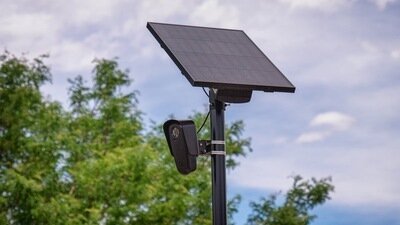

Remove Flock Safety ALPR cameras from Chattanooga streets
The Issue
To: The Mayor and City Council of Chattanooga, TN, and the mayors and councils of surrounding municipalities in our viewing area (including but not limited to East Ridge, Red Bank, Collegedale, Cleveland, Signal Mountain, and Hamilton County government)
Started by: DeFlock Chattanooga
Petition Statement
We, the undersigned residents of Chattanooga and the surrounding region, call on our city and county governments to remove Flock Safety automated license plate reader (ALPR) cameras from public streets and to end all current and future contracts with Flock Safety.
Why This Matters
Mass surveillance without consent. Flock cameras scan and log the license plate, location, and travel patterns of every vehicle that passes — not just those suspected of a crime. This creates a searchable database of residents' daily movements: where we work, worship, seek medical care, and spend time with family.
No meaningful public input. In many of our cities, these systems were approved through police department budgets or vendor contracts with little to no public notice, hearing, or debate before installation.
Weak data protections. Flock's own contract language has allowed the company to disclose data to other government entities or third parties based on a vague "good faith belief" standard — language specific enough that other cities, including Hillsborough, NC, have cited it as a reason for ending their contracts. Nashville has held off on adopting the technology in part over concern that plate data could be shared with federal immigration enforcement, and Tennessee's ACLU has flagged this as an ongoing concern statewide.
Safety and quality concerns. In July 2026, Flock Safety's own CEO announced a nationwide equipment safety audit after a Tennessee advocate flagged hazards with camera installations — with 16 cameras in Tennessee already found to need fixes. If the vendor itself can't yet vouch for the safety of its installed hardware, that undermines confidence in the program broadly.
Little proven return. Despite the cost of these contracts, cities have not produced clear, independent evidence that ALPR networks meaningfully reduce crime relative to their price tag and privacy cost. Public safety dollars deserve better-justified spending.
- What We're Asking For
Immediate removal of existing Flock Safety cameras from public rights-of-way in Chattanooga and participating surrounding cities. - Termination or non-renewal of existing Flock Safety contracts.
- A public, transparent process — including community hearings — before any future surveillance technology is adopted, with clear rules on data retention, access, and sharing with outside agencies.
- Independent, public reporting on the actual crime-reduction impact of any camera network before further investment is considered.
Our communities deserve safety solutions that don't come at the cost of everyone's privacy and civil liberties. We urge our elected officials to act now.
Sign this petition to tell Chattanooga and surrounding city leaders: remove Flock cameras and give residents a real say in surveillance decisions.

329
The Issue
To: The Mayor and City Council of Chattanooga, TN, and the mayors and councils of surrounding municipalities in our viewing area (including but not limited to East Ridge, Red Bank, Collegedale, Cleveland, Signal Mountain, and Hamilton County government)
Started by: DeFlock Chattanooga
Petition Statement
We, the undersigned residents of Chattanooga and the surrounding region, call on our city and county governments to remove Flock Safety automated license plate reader (ALPR) cameras from public streets and to end all current and future contracts with Flock Safety.
Why This Matters
Mass surveillance without consent. Flock cameras scan and log the license plate, location, and travel patterns of every vehicle that passes — not just those suspected of a crime. This creates a searchable database of residents' daily movements: where we work, worship, seek medical care, and spend time with family.
No meaningful public input. In many of our cities, these systems were approved through police department budgets or vendor contracts with little to no public notice, hearing, or debate before installation.
Weak data protections. Flock's own contract language has allowed the company to disclose data to other government entities or third parties based on a vague "good faith belief" standard — language specific enough that other cities, including Hillsborough, NC, have cited it as a reason for ending their contracts. Nashville has held off on adopting the technology in part over concern that plate data could be shared with federal immigration enforcement, and Tennessee's ACLU has flagged this as an ongoing concern statewide.
Safety and quality concerns. In July 2026, Flock Safety's own CEO announced a nationwide equipment safety audit after a Tennessee advocate flagged hazards with camera installations — with 16 cameras in Tennessee already found to need fixes. If the vendor itself can't yet vouch for the safety of its installed hardware, that undermines confidence in the program broadly.
Little proven return. Despite the cost of these contracts, cities have not produced clear, independent evidence that ALPR networks meaningfully reduce crime relative to their price tag and privacy cost. Public safety dollars deserve better-justified spending.
- What We're Asking For
Immediate removal of existing Flock Safety cameras from public rights-of-way in Chattanooga and participating surrounding cities. - Termination or non-renewal of existing Flock Safety contracts.
- A public, transparent process — including community hearings — before any future surveillance technology is adopted, with clear rules on data retention, access, and sharing with outside agencies.
- Independent, public reporting on the actual crime-reduction impact of any camera network before further investment is considered.
Our communities deserve safety solutions that don't come at the cost of everyone's privacy and civil liberties. We urge our elected officials to act now.
Sign this petition to tell Chattanooga and surrounding city leaders: remove Flock cameras and give residents a real say in surveillance decisions.
The Decision Makers


Supporter Voices
Petition Updates
Share this petition
Petition created on July 29, 2026