

Pesticide Free Plymouth! Stop the use of pesticides for a greener, healthier city
The Issue
We urge you to join us in our efforts to stop the use of pesticides in Plymouth’s urban environments – for people and wildlife.
Pesticides are chemicals designed to control plant and animal “pests” and “weeds”. However, they also cause damage to the environment, our wildlife and to us.
Our city is full of green spaces for wildlife, but these are compromised if they are poisoned by pesticides. Where weed control is necessary, there are many ways this can be done without chemicals – for example using mechanical methods and heat treatments.
This call to action aims to raise awareness and prompt legislative change to ban the use of these harmful chemicals in our city, while emphasising the importance of urban biodiversity and community involvement in creating a sustainable future.
We want Plymouth City Council to join over 40 other councils that have gone pesticide-free.
The Problem:
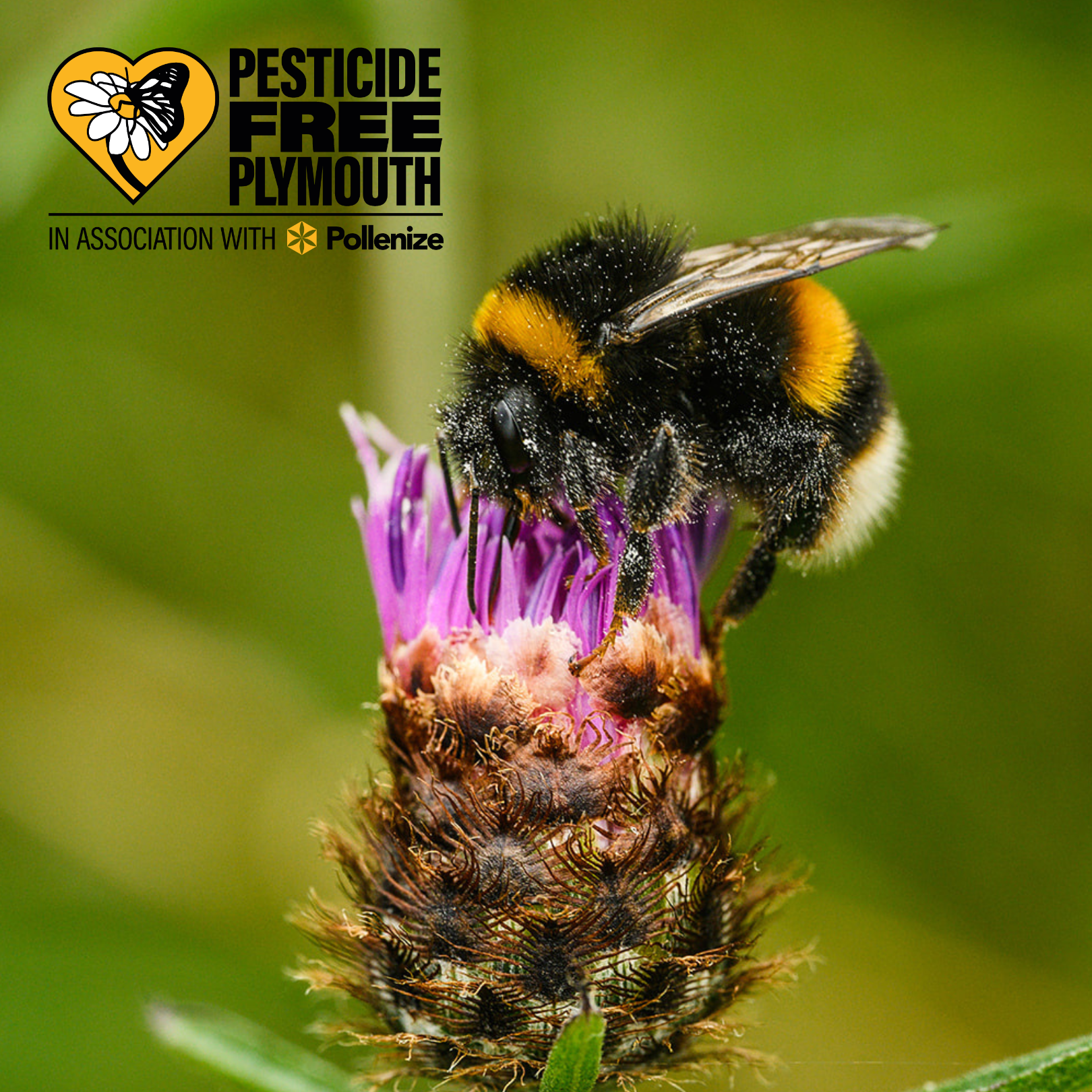
Pesticides harm wildlife: recent history is peppered with cases of pesticides causing huge damage to wildlife, most recently pollinator declines caused by neonicotinoid insecticides, And killing “weeds'' with herbicides reduces the amount of wild flowering plants available for bees and other pollinating insects to feed upon. A loss of insects has an impact on the animals that feed upon them like birds, and small mammals such as hedgehogs.
Pesticides are washed into our waterways and seas: during rain they are washed into drains and waterways negatively impacting water quality and endangering aquatic life.
Pesticides harm our health: the use of pesticides in urban settings increases human exposure to harmful chemicals through skin contact, inhalation, or ingestion. This exposure is associated with numerous health problems, including respiratory issues, neurological disorders, and reproductive harm.
Our Demands:
We call on Plymouth City Council to commit to going pesticide-free by 2025:
- Commit to phasing out all pesticides, (which include herbicides such as glyphosate, fungicides, insecticides and synthetic insecticides) - in all council managed spaces, including but not limited to parks, playgrounds, gardens, verges, pathways, roads, pavements and street infrastructure. Contractors must also use pesticide-free weeding methods.
- Recognise the importance of ‘weeds’ as vital food sources for pollinators and shift towards a more nature-friendly approach to urban management.
- Help local people to stop using pesticides by improving public awareness of alternatives, and understanding of benefits to health and to wildlife.
- Foster a sense of shared responsibility among businesses to manage private land in an environmentally friendly manner, prioritising nature’s recovery in their decision-making processes.
How You Can Help:
Please sign and share this petition to demand an end to the use of pesticides in Plymouth’s urban environment. Your voice is essential in creating a safer, healthier, and more sustainable city for all. Use the hashtag #pesticidefreeplymouth on social media to spread the word. Together, we can protect our communities and the environment from the harmful effects of pesticide use in cities. visit Pollenize.org.uk/pesticidefreeplymouth for other ways to get involved
(Please note: Pollenize is not affiliated with platform donations generated through this petition)

726
The Issue
We urge you to join us in our efforts to stop the use of pesticides in Plymouth’s urban environments – for people and wildlife.
Pesticides are chemicals designed to control plant and animal “pests” and “weeds”. However, they also cause damage to the environment, our wildlife and to us.
Our city is full of green spaces for wildlife, but these are compromised if they are poisoned by pesticides. Where weed control is necessary, there are many ways this can be done without chemicals – for example using mechanical methods and heat treatments.
This call to action aims to raise awareness and prompt legislative change to ban the use of these harmful chemicals in our city, while emphasising the importance of urban biodiversity and community involvement in creating a sustainable future.
We want Plymouth City Council to join over 40 other councils that have gone pesticide-free.
The Problem:
Pesticides harm wildlife: recent history is peppered with cases of pesticides causing huge damage to wildlife, most recently pollinator declines caused by neonicotinoid insecticides, And killing “weeds'' with herbicides reduces the amount of wild flowering plants available for bees and other pollinating insects to feed upon. A loss of insects has an impact on the animals that feed upon them like birds, and small mammals such as hedgehogs.
Pesticides are washed into our waterways and seas: during rain they are washed into drains and waterways negatively impacting water quality and endangering aquatic life.
Pesticides harm our health: the use of pesticides in urban settings increases human exposure to harmful chemicals through skin contact, inhalation, or ingestion. This exposure is associated with numerous health problems, including respiratory issues, neurological disorders, and reproductive harm.
Our Demands:
We call on Plymouth City Council to commit to going pesticide-free by 2025:
- Commit to phasing out all pesticides, (which include herbicides such as glyphosate, fungicides, insecticides and synthetic insecticides) - in all council managed spaces, including but not limited to parks, playgrounds, gardens, verges, pathways, roads, pavements and street infrastructure. Contractors must also use pesticide-free weeding methods.
- Recognise the importance of ‘weeds’ as vital food sources for pollinators and shift towards a more nature-friendly approach to urban management.
- Help local people to stop using pesticides by improving public awareness of alternatives, and understanding of benefits to health and to wildlife.
- Foster a sense of shared responsibility among businesses to manage private land in an environmentally friendly manner, prioritising nature’s recovery in their decision-making processes.
How You Can Help:
Please sign and share this petition to demand an end to the use of pesticides in Plymouth’s urban environment. Your voice is essential in creating a safer, healthier, and more sustainable city for all. Use the hashtag #pesticidefreeplymouth on social media to spread the word. Together, we can protect our communities and the environment from the harmful effects of pesticide use in cities. visit Pollenize.org.uk/pesticidefreeplymouth for other ways to get involved
(Please note: Pollenize is not affiliated with platform donations generated through this petition)
Supporter Voices
Petition Updates
Share this petition
Petition created on 24 April 2023